Recently, the team led by Professor Zhang Shengping at the Institute of Vegetables and Flowers, Chinese Academy of Agricultural Sciences (IVF-CAAS), published a research article entitled "Pangenome-resolved structural variation drives adaptation and trait evolution in cucumber" online in Nature Genetics. The study constructed the largest and highest-quality chromosome-level cucumber pangenome to date, systematically revealed the pivotal role of structural variation in the geographic adaptation and trait evolution of cucumber, and achieved the first cloning of CsCcu, a scab resistance gene "hidden" from the reference genome, and CsSPL1, a fruit-length gene regulated by a rare variant — together providing a systematic genomic toolkit for molecular design breeding in cucumber. Reviewers praised the work highly, noting that it "This work provides substantial novel insights. It also makes a breakthrough in dissecting the regulatory mechanisms underlying important agronomic traits through pan-genomic analysis."
Cucumber (Cucumis sativus L.) originated in the southern foothills of the Himalayas and was domesticated from its wild progenitor approximately 3,000 years ago. It subsequently spread worldwide with human activity and diverged into morphologically diverse ecotypes under varied climatic and cultivation conditions, becoming one of the most widely grown vegetable crops globally. However, the genetic basis underlying cucumber's adaptation to different geographic environments and the divergence of key agronomic traits has long remained unclear, constraining progress in molecular breeding. Structural variations (SVs) and gene copy number variations (gCNVs) are widespread and important forms of genetic variation that play a non-negligible role in crop adaptive evolution and trait divergence, yet they have been little studied in cucumber. Because such variants are structurally complex and some occur at low frequency, a single reference genome is insufficient to capture and systematically resolve them. Constructing a high-quality pangenome and systematically dissecting the genetic effects of SVs and gCNVs is therefore an urgent need for elucidating the mechanisms of cucumber adaptive evolution and overcoming bottlenecks in molecular breeding.
Building on long-accumulated germplasm resources and genomic foundations, the study integrated genomic data from 422 cucumber accessions worldwide to construct a phylogenetic tree, from which 125 representative accessions were selected for chromosome-level genome assembly. These assemblies showed marked improvements in assembly quality, sequence contiguity, and centromere completeness over previously published cucumber genomes. Syntenic gene family analysis revealed the rich genetic diversity of cucumber: the number of gene families did not approach saturation until the panel size reached approximately 100 accessions, exceeding that reported in rice, tomato, and cabbage. On this basis, the study resolved the evolutionary dynamics of gene haplotypes during global dispersal, finding that rare haplotypes increased in number while overall haplotype diversity declined, indicating that population dispersal was accompanied by sustained selective pressure. Using Nei's genetic diversity index, the team further identified a set of genes with significantly differentiated haplotype frequencies among geographic populations, nearly half of which fell within population-differentiation selection intervals, and uncovered multiple elite haplotypes with potential value for breeding.
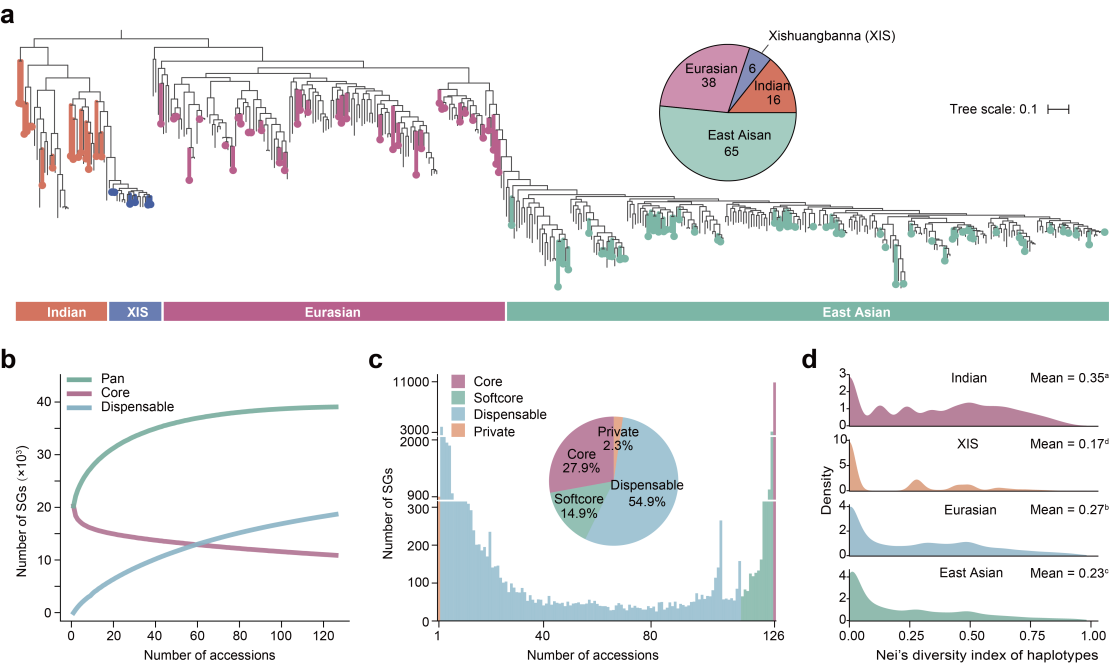
Figure 1. Cucumber pangenome construction and genetic diversity analysis
Gene copy number variations can directly affect expression levels by altering gene dosage and play an important role in crop domestication and environmental adaptation; however, their structural complexity often makes them difficult to identify accurately from short-read sequencing data. Large-scale, high-quality genome assembly creates the conditions for systematically resolving gCNVs in cucumber. The study identified 1,960 gCNVs and found that they were not randomly distributed but significantly enriched in recombination hotspots, indicating that local recombination activity is an important driver of their formation. Population differentiation index (VST) analysis identified a set of highly differentiated gCNVs, many associated with defense-related genes. The most notable finding was a tandem duplication at the CsFT locus that had long escaped detection owing to the high sequence similarity of its repeat units and the limited quality of previous assemblies. The study demonstrated that this newly discovered copy number variation is the true causal variant driving CsFT upregulation and the early-flowering phenotype, providing a key genetic basis for cucumber's expansion into higher latitudes.
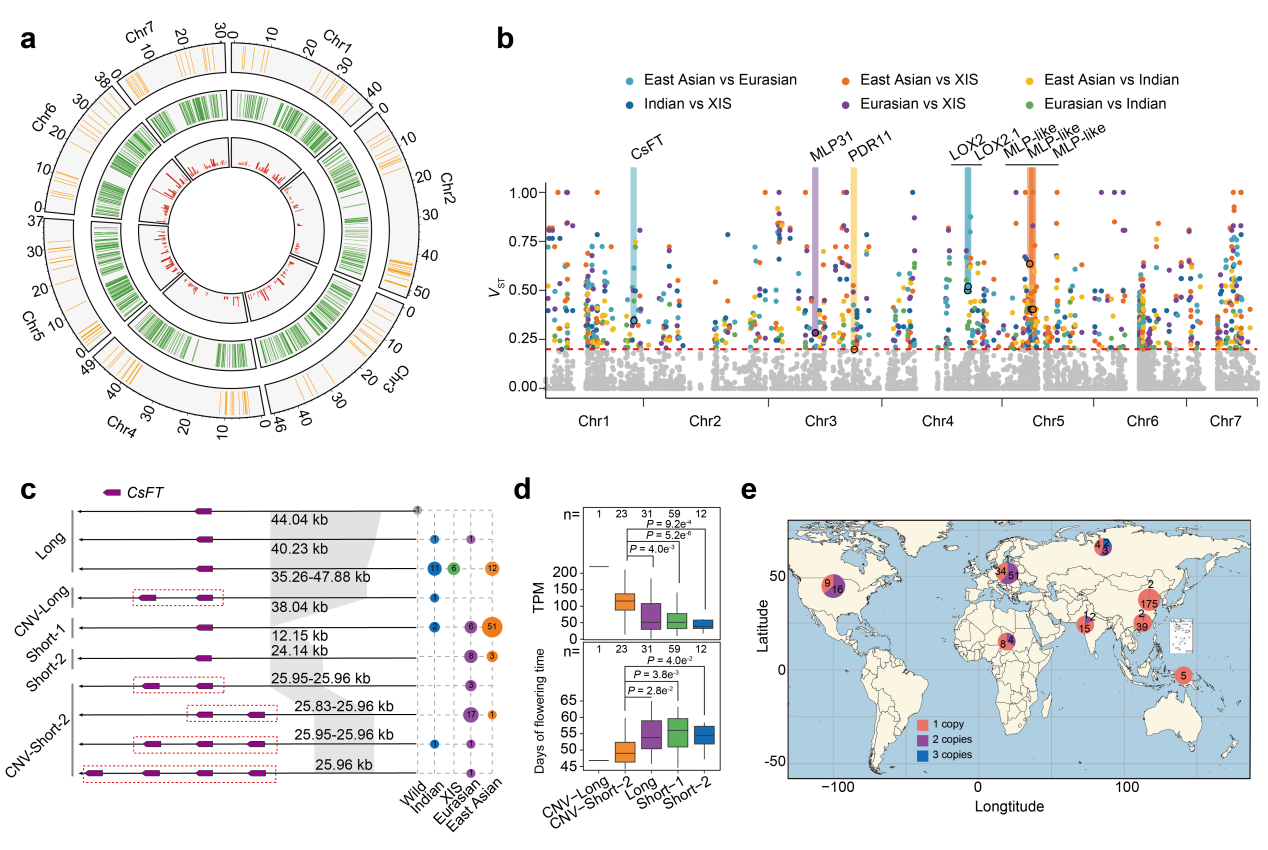
Figure 2. Gene copy number variation drives adaptive evolution in cucumber
Plant NLR resistance genes constitute the core line of defense by which the immune system recognizes pathogens, yet their population-level diversity in cucumber had not been systematically characterized. The study constructed a cucumber NLR set (PanNLRome), identifying 8,835 NLR genes, and found that their population diversity derives primarily from allelic variation among haplotypes rather than from expansion in gene number, indicating that haplotype variation is a key determinant of differences in resistance function. Cucumber scab resistance is controlled by the single dominant gene Ccu, which is of considerable value in resistance breeding. Ccu was mapped to chromosome 2 as early as 2010, but its causal gene long eluded cloning. Conventional GWAS in this study likewise placed the candidate interval (0.62 Mb) on chromosome 2, still containing a large number of candidate genes. To clone Ccu efficiently, the team innovatively performed haplotype-based GWAS built on the PanNLRome, directly pinpointing a TNL gene as the target, and verified its resistance function by gene editing. Haplotype analysis further showed that only Hap1 confers resistance, whereas all other haplotypes — including the one carried by the reference genome — are susceptible. This result demonstrates that the pangenome approach can compensate for the "hidden loss" of functional genes in a single reference genome, offering an effective strategy for the rapid cloning of resistance genes.
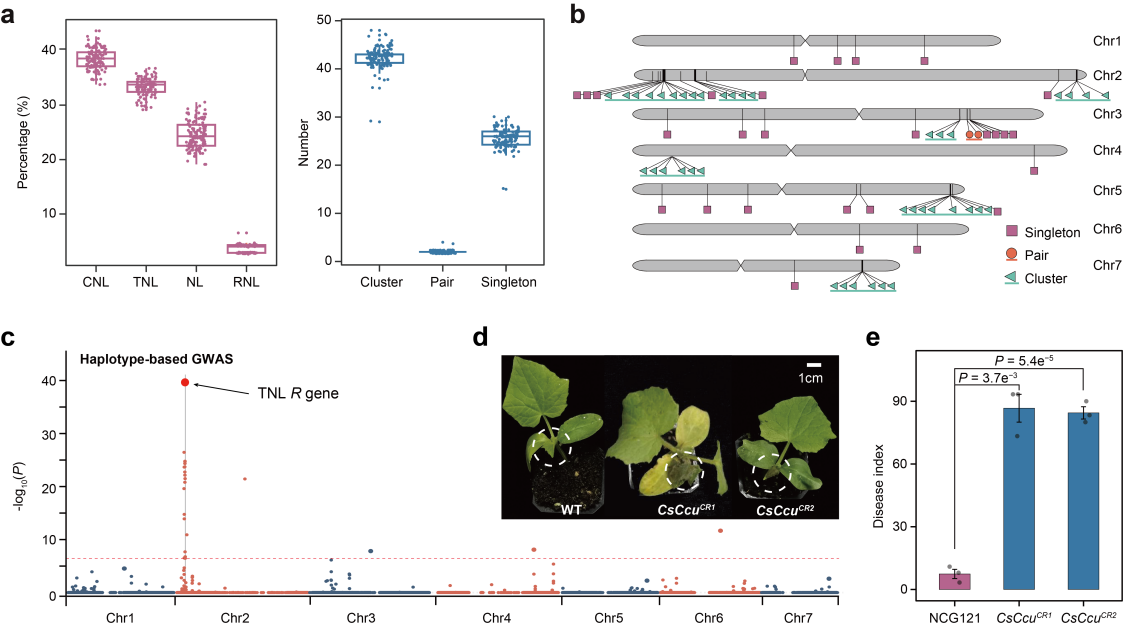
Figure 3. The cucumber PanNLRome enables rapid cloning of the scab resistance gene CsCcu
Integrating the 125 newly assembled genomes with 8 previously published genomes (133 in total), the study conducted systematic structural variation detection, identifying 135,597 high-confidence, non-redundant SVs, comprising 71,344 deletions, 55,891 insertions, 550 inversions, 3,411 duplications, and 4,401 translocations, with a PCR validation accuracy of 96.05%. Large-scale inversion analysis revealed a previously unreported karyotype in the newly assembled wild accession "CG88," which carries a single large inversion on each of chromosomes 4 and 7, independently verified by Hi-C data. Population-level SV-eQTL and selection analyses further demonstrated that structural variation exerts important regulatory effects on gene expression and plays a direct role in shaping phenotypic diversity in cucumber.
To systematically dissect the contribution of structural variation to important agronomic traits, the study performed large-scale SNP-based and SV-based GWAS for 38 agronomic traits. More than 60% of the association signals were unique to SV-based GWAS and undetectable by conventional SNP-based approaches. For fruit length, however — an agronomic trait of major importance to yield — SV-based GWAS detected no association signals at all. Further analysis revealed that rare structural variants account for approximately 40% of the heritability of fruit length, and that these rare variants are largely specific to individual geographic groups, so their detection power is severely diluted in a pooled, whole-population analysis. Guided by this reasoning, the team instead conducted association analyses within each geographic group, successfully detecting 34 previously masked significant loci. The most prominent among them was a rare LTR insertion within the first exon of CsSPL1 in the Eurasian group. Multiple independent lines of evidence — SV-GWAS, eQTL analysis, transcriptome-wide association analysis, and CRISPR/Cas9 gene editing — established CsSPL1 as a positive regulator of fruit length. Further analysis showed that the allele frequency differentiation pattern of CsSPL1 closely mirrors the domestication history of cucumber: Eurasian cultivars predominantly carry the short-fruit allele, whereas East Asian cultivars are dominated by the long-fruit allele. This haplotype difference likely reflects long-standing selection preferences of breeders and consumers in different regions.
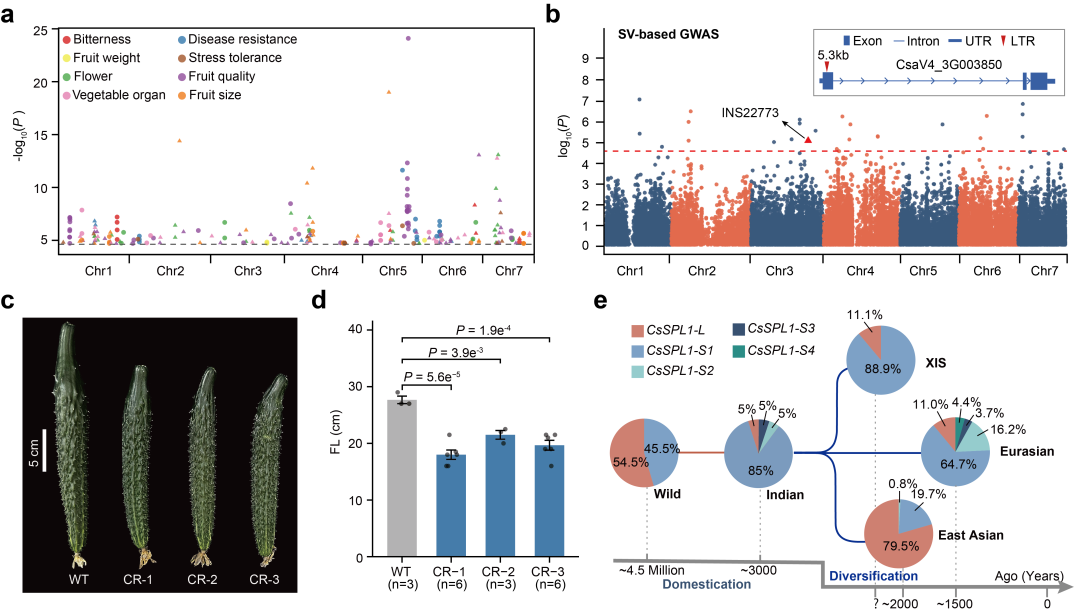
Figure 4. Subpopulation SV-GWAS in cucumber reveals a rare SV that affects fruit length by regulating CsSPL1 expression
The study constructed the largest and highest-quality chromosome-level cucumber pangenome to date and systematically revealed the pivotal role of structural variation in cucumber's geographic adaptation and the formation of important agronomic traits. The analytical strategies proposed and the key genes cloned in this work not only provide important support for dissecting the genetic basis of complex traits in cucumber and for accelerating molecular marker development and design breeding, but also offer valuable reference for pangenomic research in other crops.
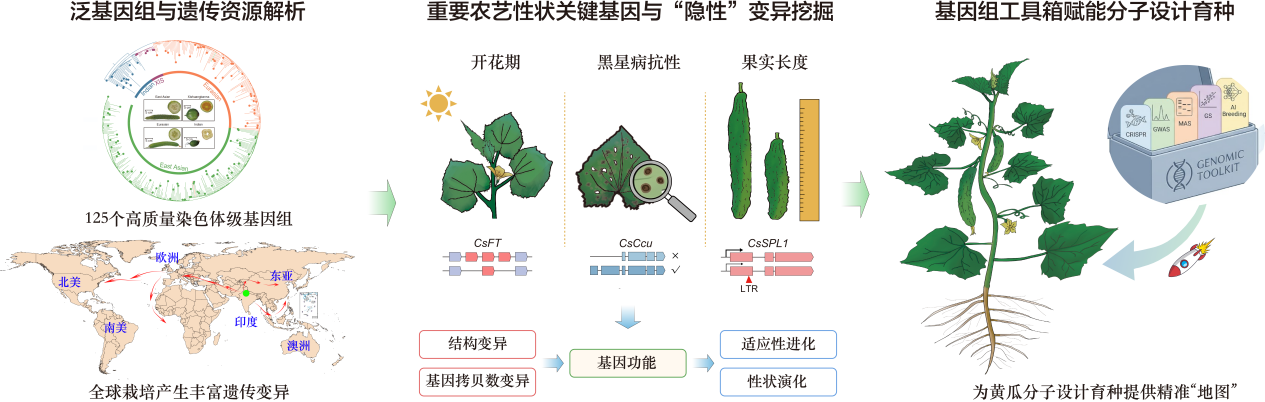
Figure 5. Cucumber pangenome research empowers molecular design breeding
The Institute of Vegetables and Flowers, Chinese Academy of Agricultural Sciences (IVF-CAAS) is the first affiliation of this paper. Prof. Zhang Shengping and Associate Prof. Dong Shaoyun (IVF-CAAS), together with Prof. Zhang Zhonghua (College of Horticulture, Qingdao Agricultural University), are the corresponding authors. Associate Prof. Guan Jiantao (IVF-CAAS), Dr. Li Xiangsheng, Prof. Miao Han, and postdoctoral researcher Dr. Yan Xuemei are co-first authors. Prof. Gu Xingfang (IVF-CAAS), Prof. Huang Sanwen (Agricultural Genomics Institute, CAAS), Assistant Prof. Liu Xiaoping (IVF-CAAS), and Profs. Richard Visser and Yuling Bai (Wageningen University, the Netherlands) made important contributions to this work. Prof. Yiqun Weng (University of Wisconsin–Madison, USA), Prof. Cheng Feng (IVF-CAAS), and Prof. Li Hongbo (College of Horticulture Science and Engineering, Shandong Agricultural University) provided valuable guidance.
This research was supported by the State Key Laboratory of Vegetable Biobreeding, the National Key Research and Development Program of China, the Youth Innovation Program of the Chinese Academy of Agricultural Sciences, and the China Agriculture Research System.
Paper link: https://www.nature.com/articles/s41588-026-02682-z

 Chinese